A week or two ago, I was idly browsing Craigslist tools when I came upon an intriguing listing. "Antique tools and chest," it said. The pictures showed an enormous old tool chest packed to the brim with old saws, planes, and hammers. "Buyer must purchase all tools together. 400lbs so bring a truck. $900."
I love old woodworking tools. I like the patina they develop, the feel in your hand, and the snippets and slices of history they give, little glimpses into other lives. So I decided to take a closer look.
The seller was an affable man, about 60 years old, with a knitted cap and eccentric lawn ornaments. He said he was helping an elderly man move into assisted living, and this was in the basement. It was the man's grandfather's tools, in a few boxes. One was a big heavy chest, with a tin-covered top, clearly well-constructed.
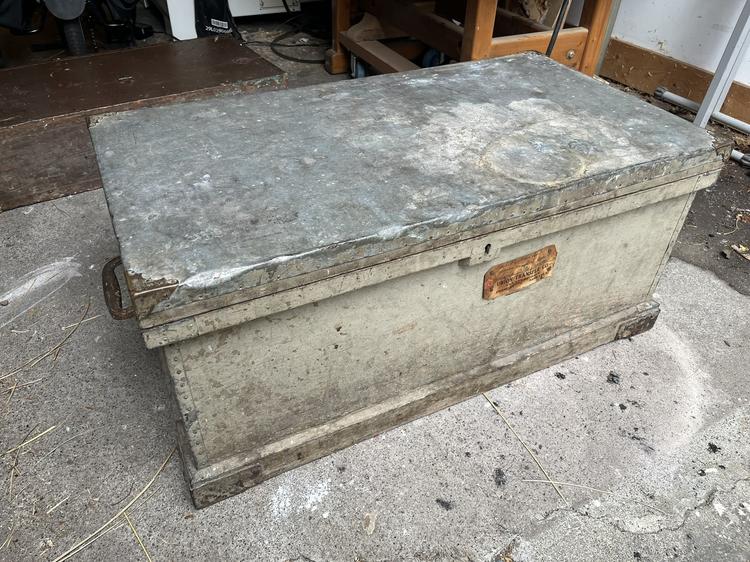
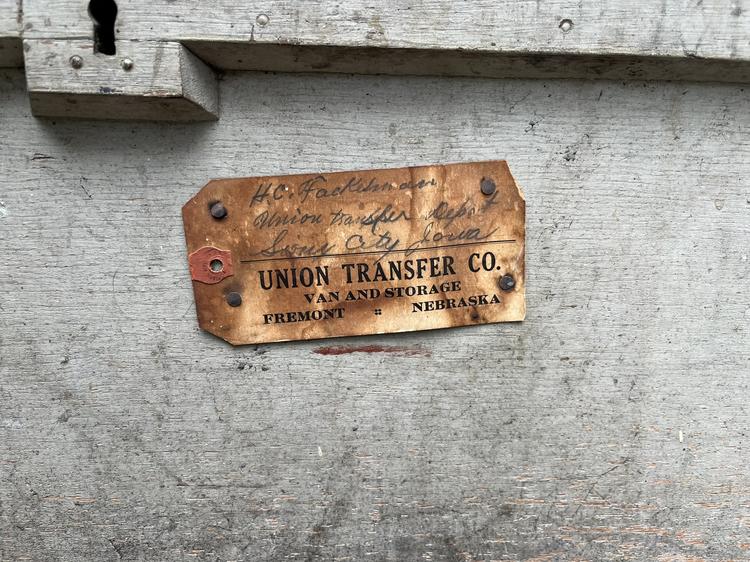
The label on the front reads "H.C. Fackleman," or perhaps "H.C. Fackelmann?" - an old shipping tag, nailed to the front, for the Union Transfer Co. of Fremont, Nebraska. The tag lists "Sioux City, Iowa" for Fackleman.
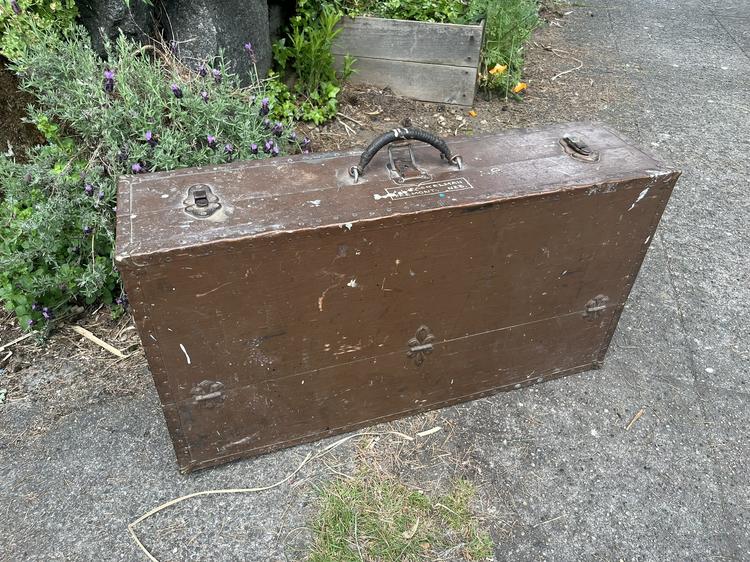
There was also a brown chest that almost looked like a suitcase
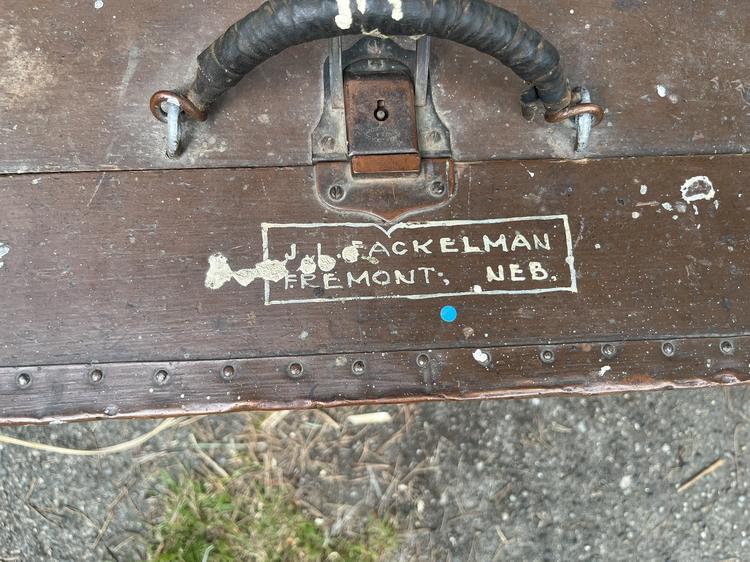
This one said "J.L. Fackelman, Fremont, Neb." (or perhaps J. I. Fackelman? It's blotched with paint).
Inside, the chests revealed an astonishing array of tools: hammers, planes, marking tools, saws. Usually, an old box of tools is kind of a bust - you get a few paintbrushes, a beat up chisel, and some screwdrivers. Not this time!
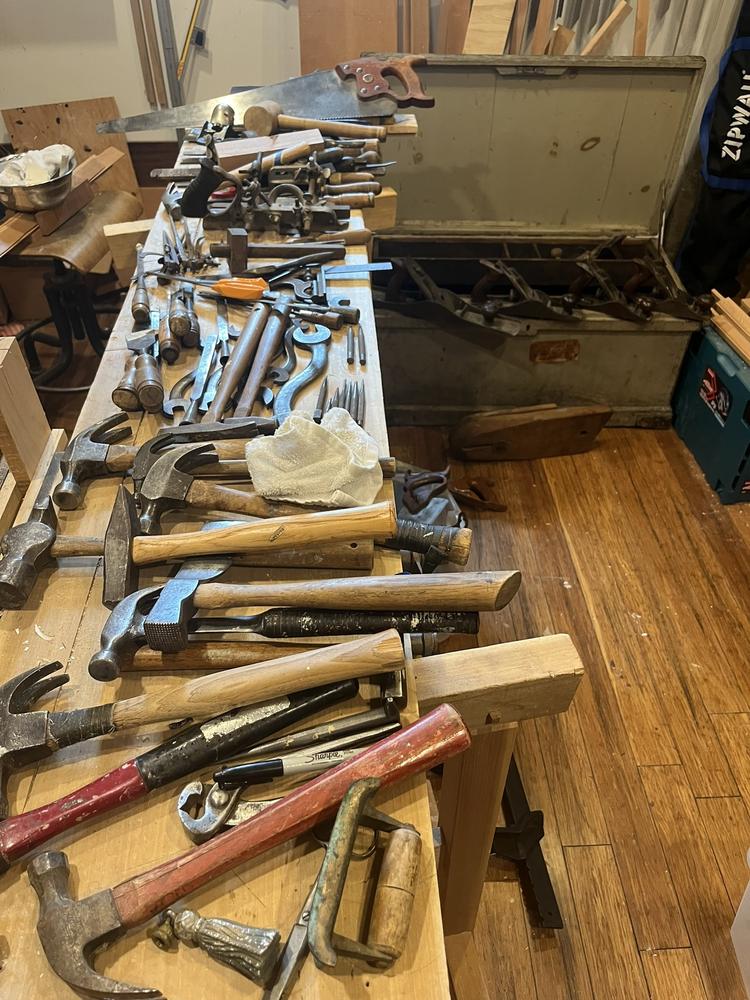
The larger H.C. Fackelman chest had a set of high-quality woodworking planes in surprisingly good nick:
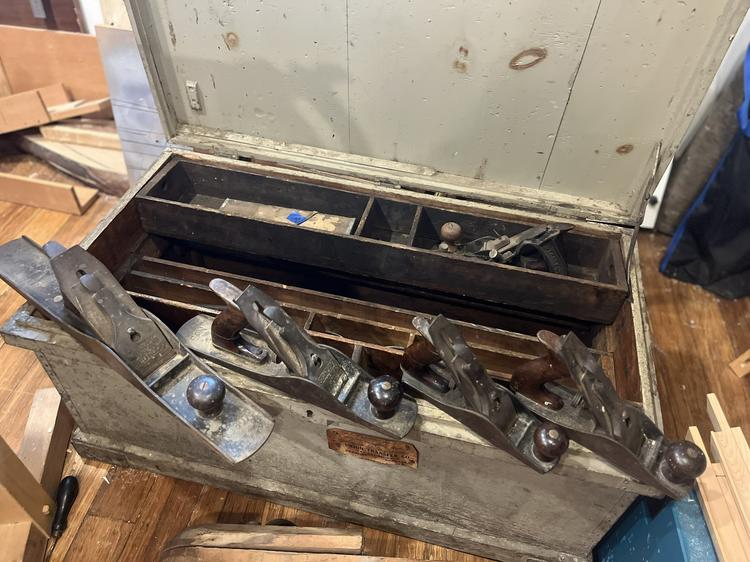
They were in a box that was cleverly and carefully made. Despite its age, the chest feels rock-solid, and has surprising tricks and secrets to reveal. The planes fit in cubbies vertically which secures them very well. Boxes and cubbies lift out to reveal interior storage, all put together fairly well, albeit with rough and practical material:
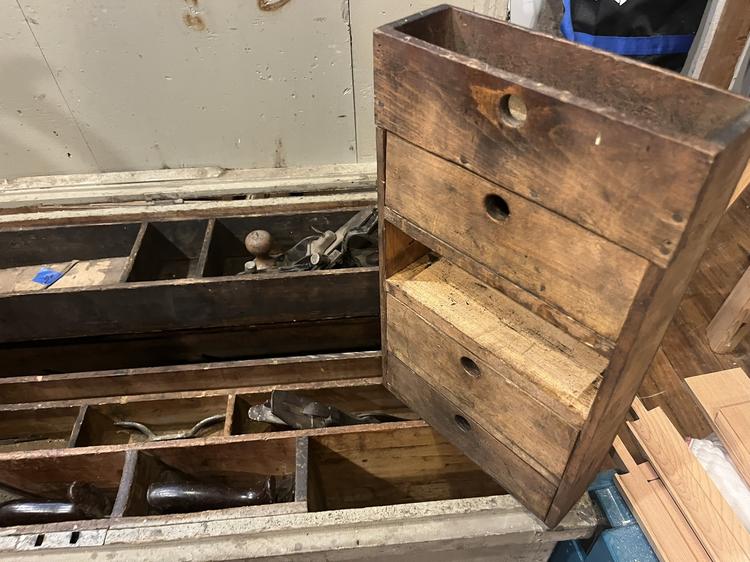
This chest isn't a master flaunting his skill with expensive inlay, like the Studley tool chest. It's made with off cuts and scrap, put together simply, but still carefully, and it displays mastery in its own more humble way. Everything fits just right, and is worn from use.
The tools are high quality, and worn from use. Fackelman was obviously a skilled and practiced woodworker. As I looked closer, I was surprised though by the variety of the tools. They're not just woodworking tools, though that is the focus certainly.
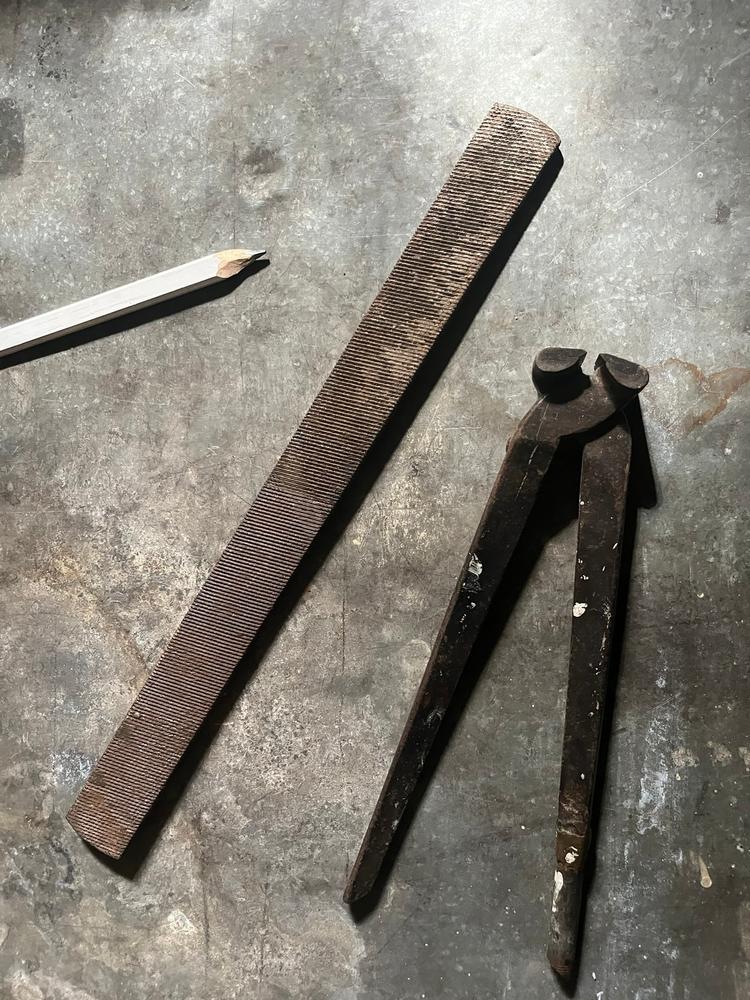
About half the hammers are actually blacksmithing hammers - lumps without a claw on the end - but none are very heavy ones. There's an absolutely enormous file that I think was a horse hoof file, and gigantic pincers that I think are used to extract nails when removing horseshoes. Maybe H.C. Fackleman did some farrier work?
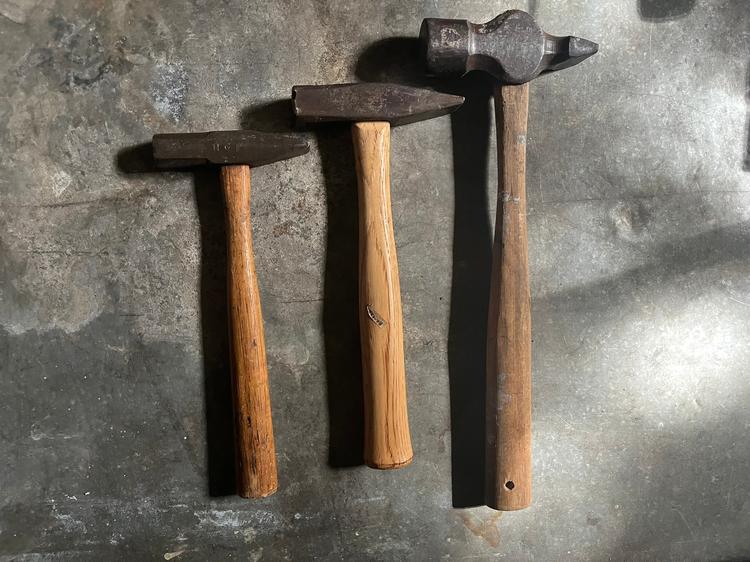
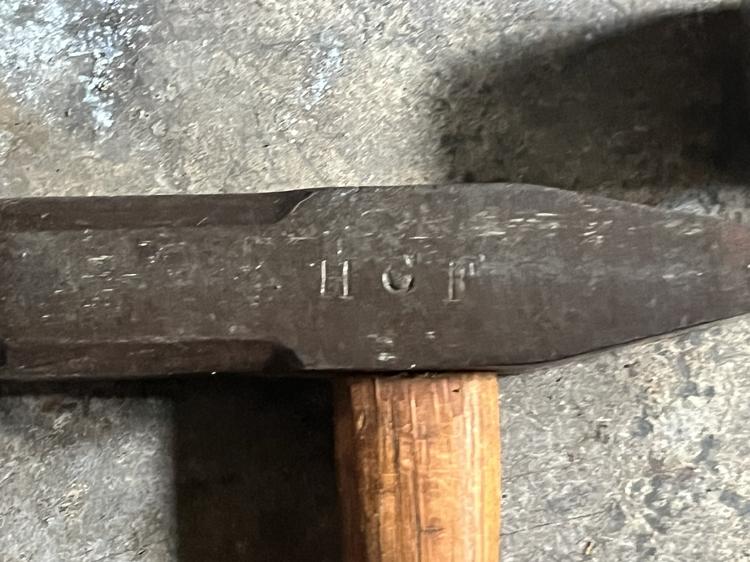
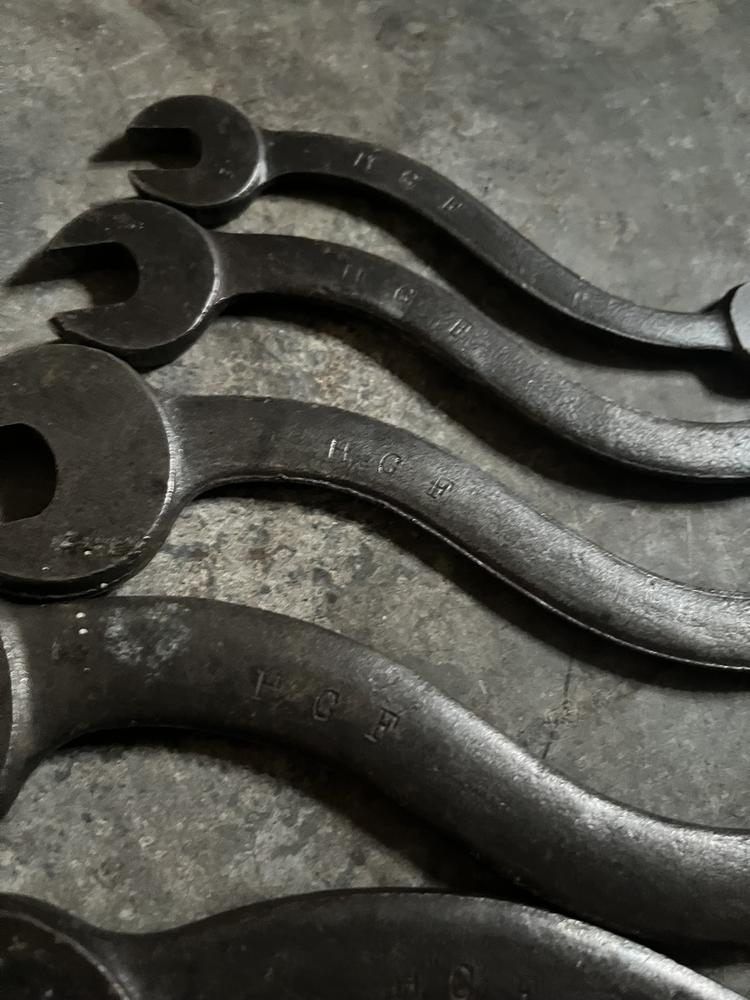
Most of the tools have "HCF" stamped into them; H.C. must have been working around others and was keen to keep his (very nice!) tools:
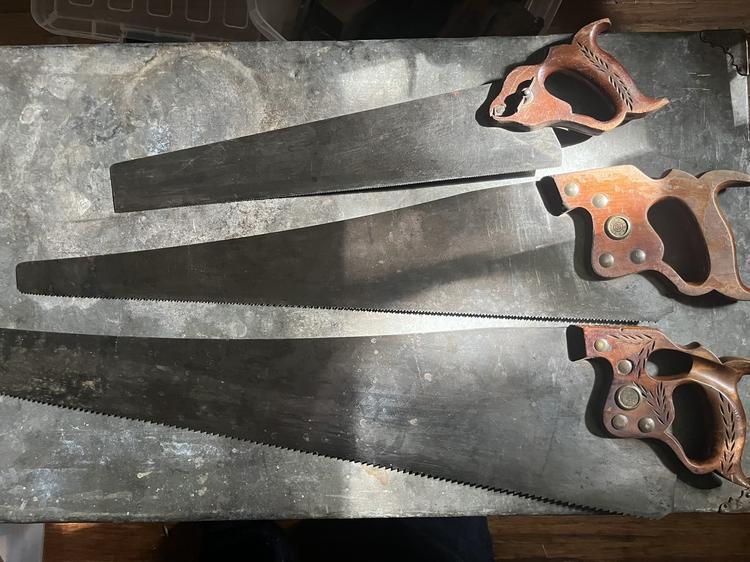
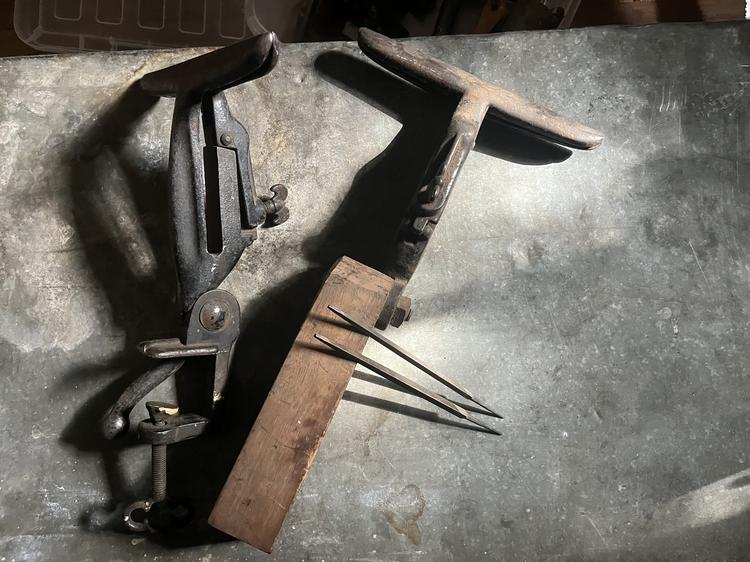
Fackleman had a really top-quality set of saws - two George Bishops and one Disston - and also had two saw vises and sets of files. It's hard to imagine why he needed two saw vises unless he had apprentices (or children) assigned to the drudgery.
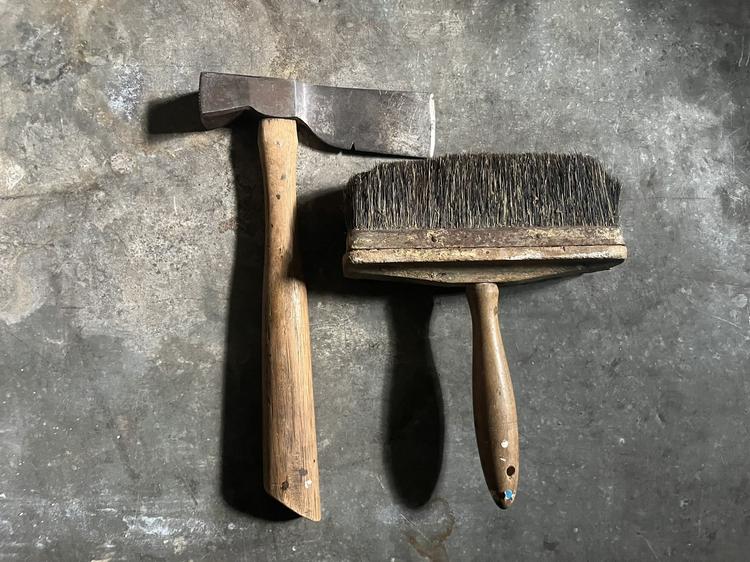
There's a cool lathing hammer, and an old-style paint brush (or maybe plastering brush? I don't really know).
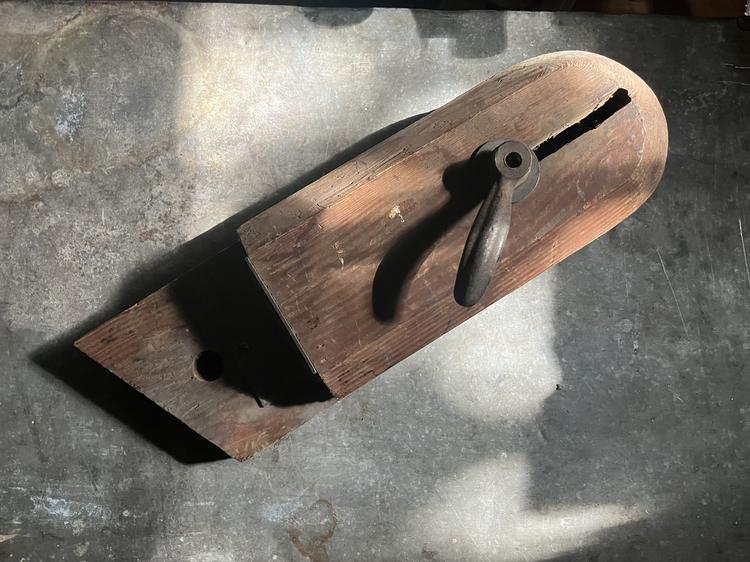
There's also this, which almost looks like a saddle maker's vise? There are a bunch of small leatherworking tools in the box, like little punches and skivers. Maybe Fackleman worked on leather saddles, or horse tack, too?
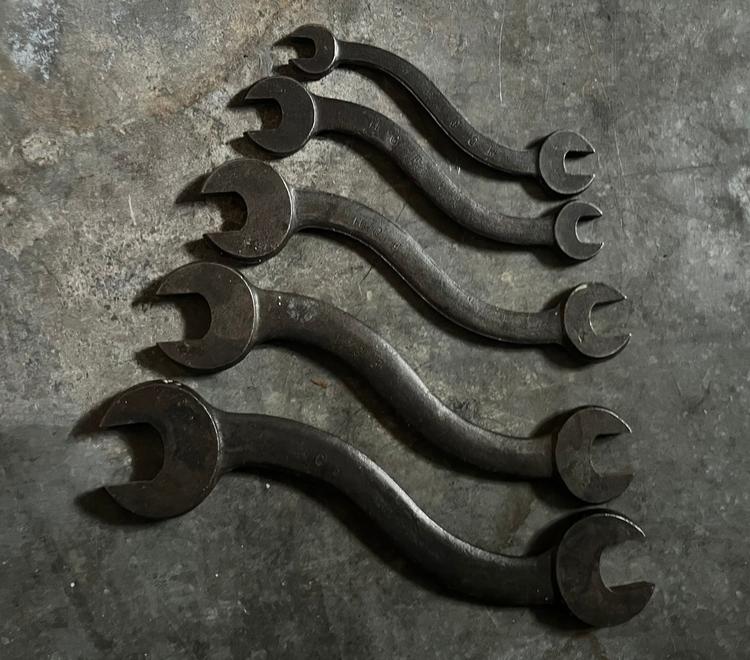
There are these wonderful wobbly wrenches, all emblazoned with his initials:
And marking tools, too - dividers, marking gauges, a fancy Starrett square.
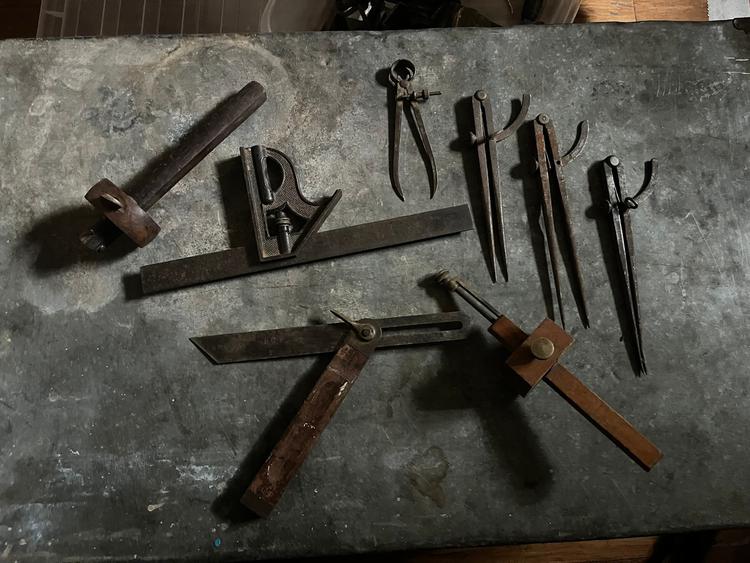
There is so much more in these chests - strange gadgets, chairmakers' tools, improvised crowbars made from old files and rebar. It all paints a picture of a marvelously skilled craftsman, working in America some time around 1890 to 1910, perhaps.
I have so many questions from all of this. What are all these tools, and what were they for? What are the stories that they hold? And who was H.C. Fackleman? Where did he live? Did he have a family? I mean, I guess he did, if this was grandpa's tool chest - but who were they?
I'm going to try to unravel these questions and walk down the little side-paths that each tool offers, showing the way work was done, and maybe trying to find some of the person that was H.C. Fackleman, in a series of posts here. I just love this stuff - digging through and finding the lived experience of one person, starting with the material they leave in the world. First up, I want to try to understand some of the strange hammers in this box.