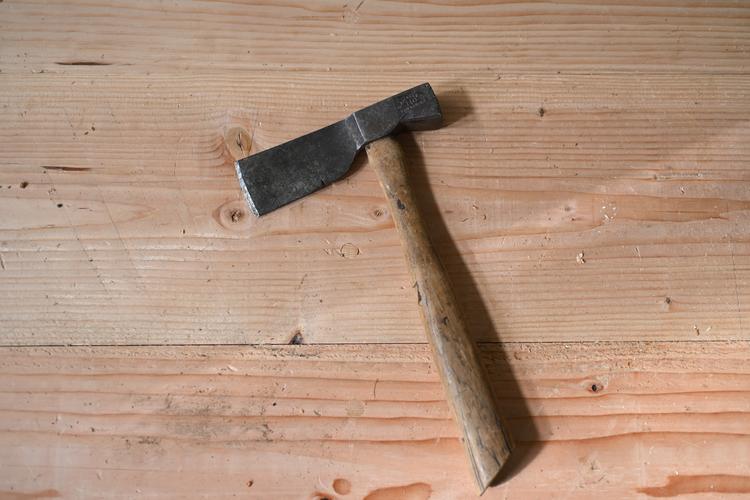
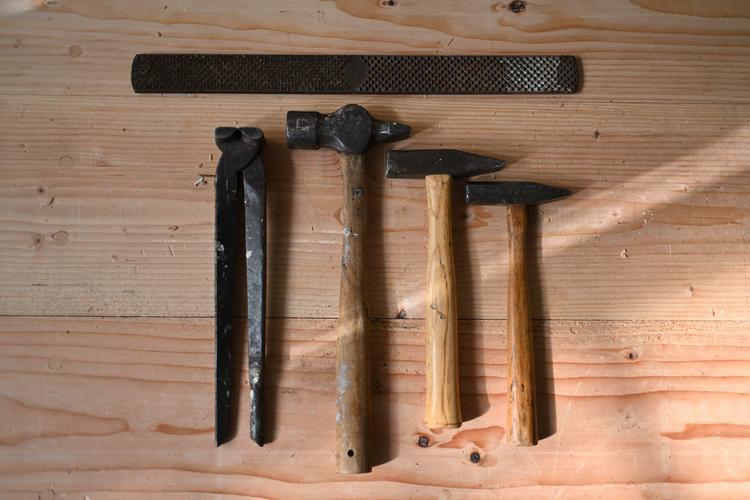
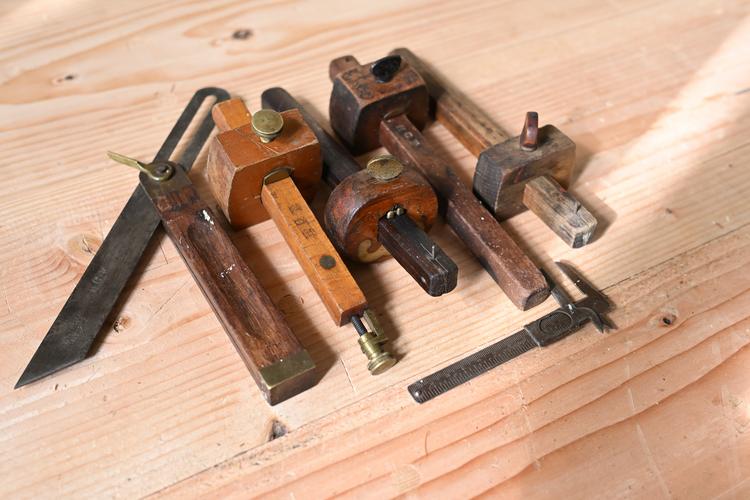
Five months ago, I bought a chest of antique tools on Craigslist. I was astonished to find that the tools appeared to be a complete suite of tools that belonged to one man. A tag on the front of the chest said "H. C. Fackelman," and almost all the tools were stamped with the initials "HCF."
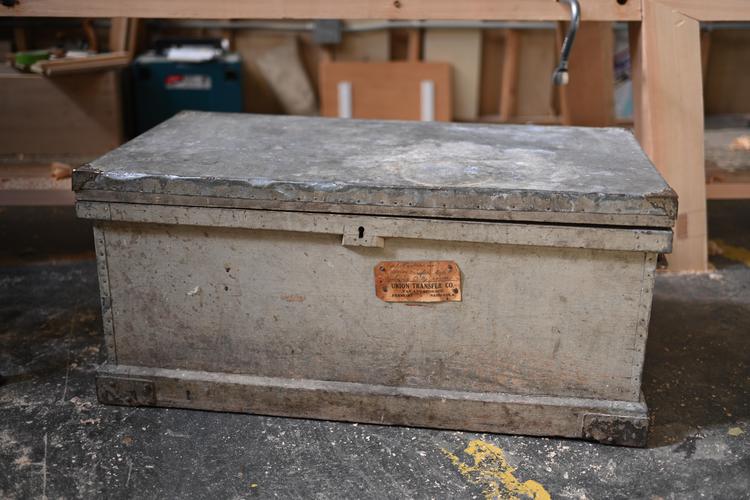
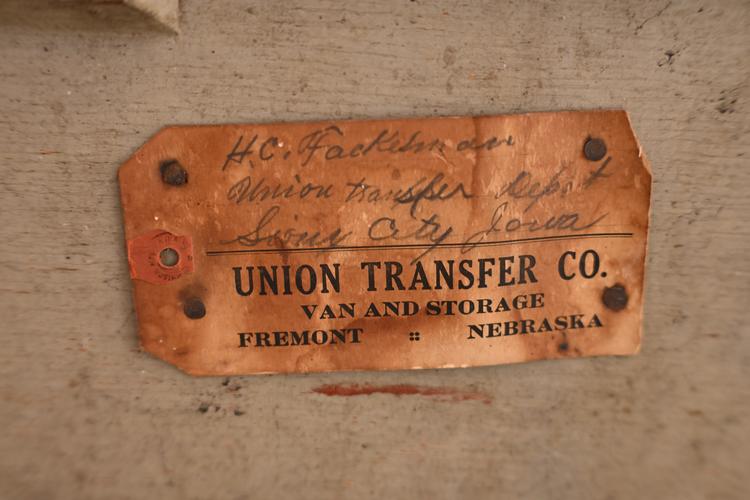
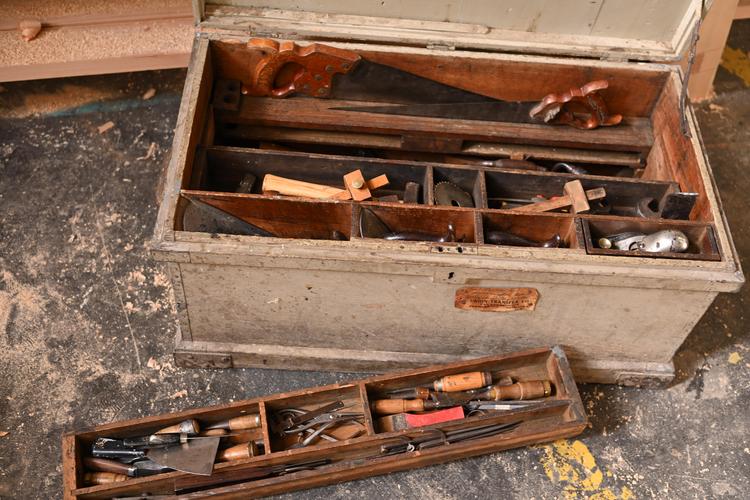
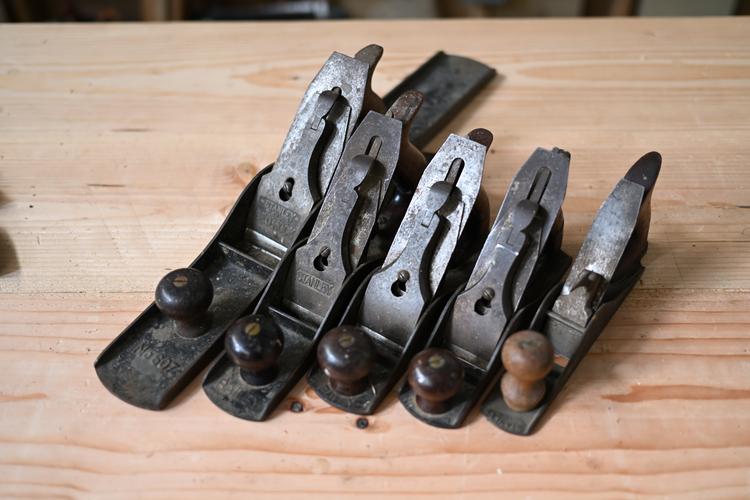
The tools inside, and the construction of the chest, spoke of a man with a huge breadth of skills. There were rural farrier tools alongside finely made planes; big panel saws for rough framing work next to tools for glazing windows.
For the last few months, I've been working through newspaper archives, census records, legal proceedings, and county histories, searching for H. C. Fackelman. Bit by bit, he has come into view, from his youngest days on a frontier farm in northeastern Nebraska, through his early success as he married a rich man's daughter, and then sudden crushing bankruptcy accompanied by death of loved ones, followed by a quieter, steadier life as a carpenter and fixture of his hometown.
Fackelman's life tells many stories, and each story overflows with detail and color, the closer one looks. In retelling it, I have struggled sometimes to keep the winding side-stories in line, and to return to the man himself. But then again, I think these detours in certain ways are the story. I think all lives, if given enough attention and interest, explode with richness, and I want to give a biography that expresses some of that.
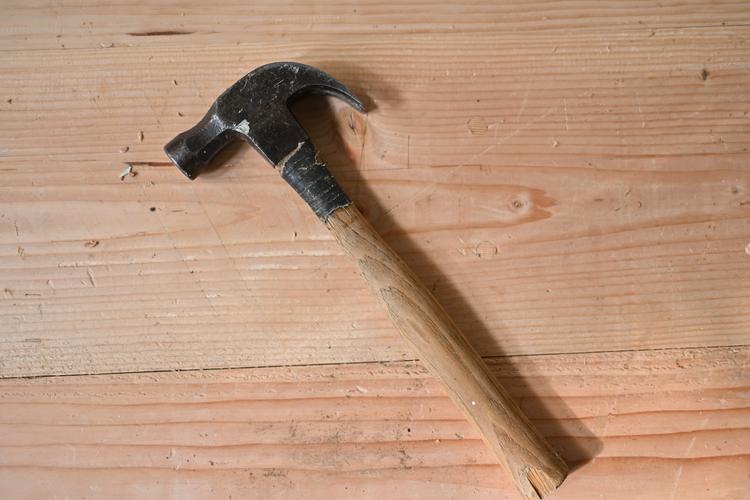
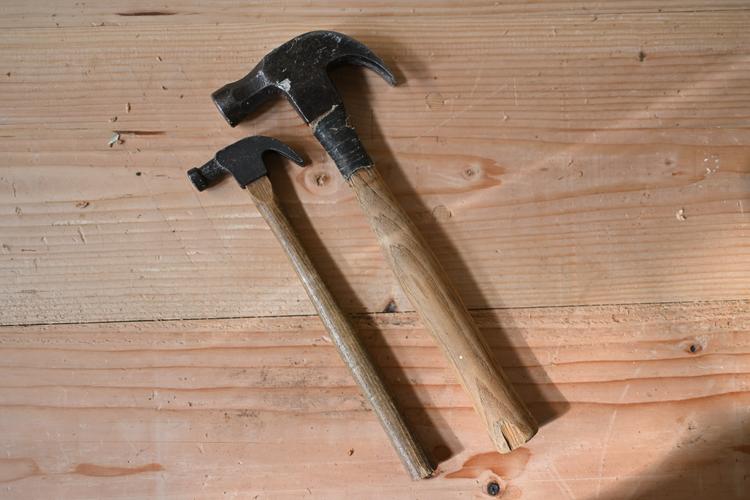
It remains an astonishment to me that I can swing the same hammer that Fackelman swung, or hold the same wrenches; each tool feels imbued with something deeply real and human. They remind me: the "HCF" stamped on each tool was real. He was a human. He was.
The frontier
Herman Carl Fackelman was born in the winter of 1875 on a remote farm near a creek in Dixon County, Nebraska. His mother, Louisa, was a German immigrant, and his father, Henry, moved to Nebraska to start a farm in the early 1870s.
Nebraska in the 1870s was a rough frontier, in the midst of transition as the railroad stretched to cover more of the landscape. The 210-acre Fackelman farm grew corn, wheat, oats, and a few potatoes, and kept 8 cows, 90 pigs, and 40 chickens. This variety was not unusual at all at the time, and the farm's size and production seems completely ordinary for the region.
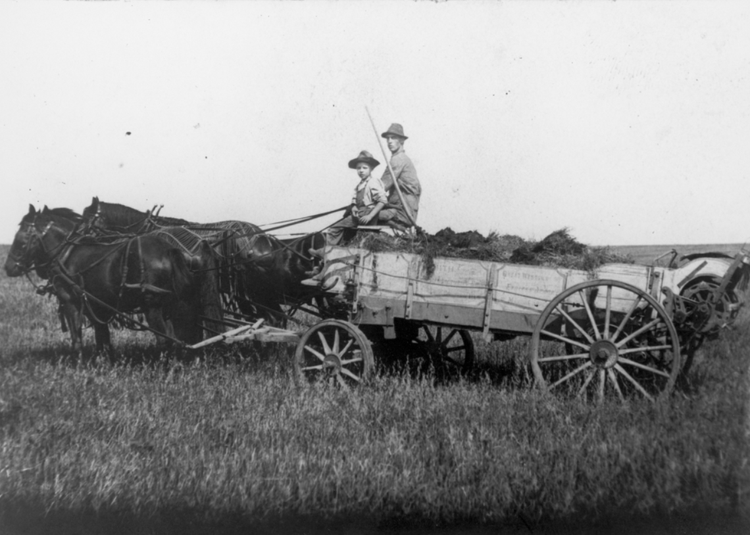
Farm life would have been strenuous, and revolved around draft animals for heavy labor. Combustion tractors wouldn't really appear until the 1910s.
Native Americans would have been a constant presence in those days, although settlers like the Fackelmans were often pushing them out. The Ponca people were settled on the river that the Fackelman creek fed into. The story of the Ponca people is long and tragic, full of broken promises of protection and multiple "permanent" settlements from the United States. In 1877, two years after Herman was born, the Ponca people were forcibly removed in a trail of tears that killed about a third of them in a trudge to Oklahoma.
The main town that grew in Dixon county with their removal, and the one that Herman would be tied to for the rest of his life, bore their name: Ponca, Nebraska. The town grew quickly as a railroad spur reached it from Sioux City, which was a major hub in the railroad network of the region. It gained a flour mill, a bank, a hardware store, saloons - and, critically for me as a researcher, a newspaper. The Nebraska Journal-Leader, based in Ponca, would document the daily life in the town in incredible detail.
Anna and Albert
Herman was the second of three children, but the only one of them to survive into adulthood. His older sister, Anna, died at 16 years of age on June 8, 1890. Just eight days later, his younger brother, Albert, died at the age of 7.
I have to stop and feel the pain of Henry and Louisa in this moment. They lose their daughter, suddenly, in a lonely farm on the Nebraskan prairie. Just eight days later, their son is lost too.
The obituary for Anna in the Nebraska Journal-Leader reads:
One more inside of heaven's doors, one less on earth, our loss and heaven's gain. Her dear familiar face we miss, and her merry laughter is forever hushed... She was ever happy and cheerful in her earthly home, but what can the seeming happiness of this world compare with the joys that are experienced by those who have entered the portals of heaven, where want is never known and where sickness and death never come. Anna's earthly life is passed. She now dwells with God and the angels in that celestial home "not made by hands, forever in the heavens."
It goes on like this for some time. The obituary strains to argue that Anna is actually happier this way, that the mourners should not worry because they will join her soon. To me, there is something in this that feels like it is a mask for deep grief. There's very little specific to the obituary, almost nothing that connects us to Anna the person, but a weak attempt at cheer through religion. "Weep not for Anna", it says, but in a way this seems as though it shows the family is grieving only harder.
And for Albert:
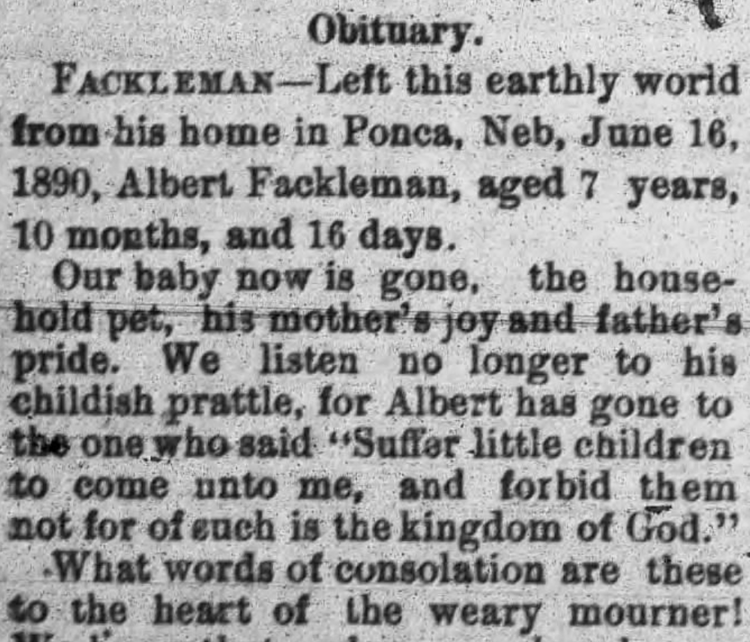
Our baby is now gone, the household pet, his mother's joy and father's pride. We listen no longer to his childish prattle, for Albert has gone to the one who said "Suffer little children to come unto me, and forbid them not for of such is the kingdom of God."
I cannot say for sure how Anna and Albert died, but a week after Albert's death, the Ponca newspaper writes "The diphtheria scare is over!" and chirps that only two families in the city actually contracted diphtheria and the outbreak was well-contained by the authorities. No mention is made of deaths, but the timing convinces me that Anna and Albert likely died of diphtheria.
After this terrible summer of 1890, a protracted, six-year drought set in across Nebraska, dooming most of the grain farms in the region. Incredibly, Nebraska became a net importer of grain by 1894 in order to feed livestock. In the midst of all this hardship, Henry moves the family off the farm and into the town of Ponca proper, and Henry becomes a real estate agent, renting the farm out. He would not return to farming in his lifetime.
Young Fackelman
Herman disappears from the historical record for a few years as his family settles into life in Ponca. He attends the local high school, graduating in 1897 at the age of 21. This late age of graduation was not unusual for the time and place - in fact, graduating at all was relatively rare. Nationally, only about 4% of the population born in 1875 would go on to get a high school diploma. Particularly for a farmer's son, this speaks to some upwards mobility in Herman's life, and his late graduation shows a stick-to-it-ness in getting a diploma.
After graduation, Herman seems to have a charmingly dilettantish period in his 20s.
He takes up bicycle racing, which was something of a craze at the time, and participates in races between the little farm towns of Dixon county. He never does particularly well in these races; the winner is invariably a young man named Clay Logan.
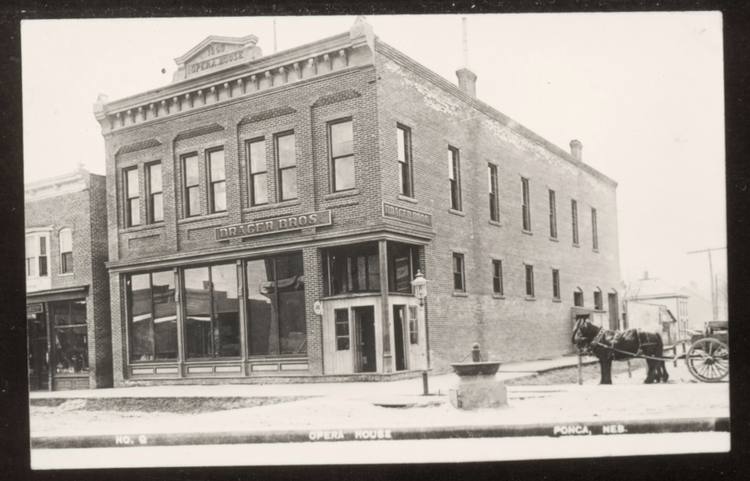
But then Herman opens a bicycle shop with Clay Logan, running it out of the back of the old opera house. "Logan & Fackleman" advertisements appear in the paper, and you can practically see the two enthusiastic 22 year olds wrenching on bikes and planning out races.
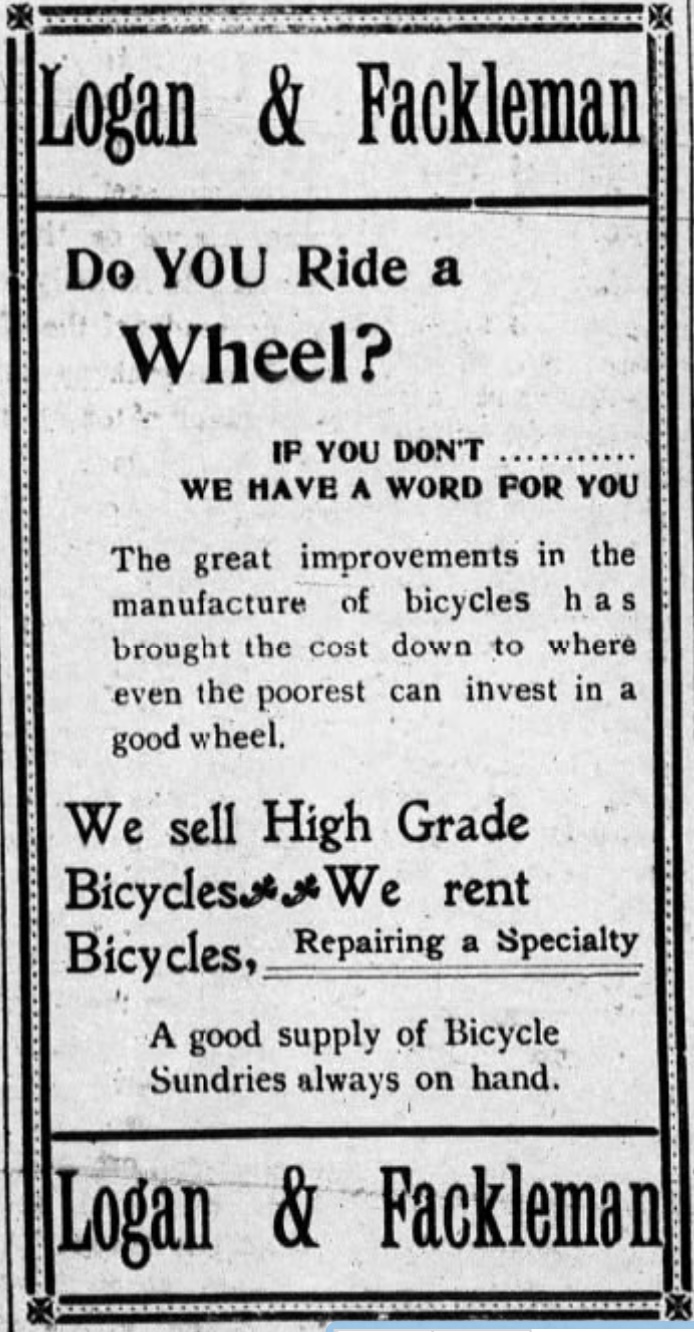
But in the way of 22 year olds, Herman's focus drifts, and he loses interest in bikes and is pulled towards a new vision: what about music? He had excelled in music in school, performing for the graduation ceremony. In January of 1899, he forms a band with his friend Peter Peterson, and buys a $50 horn that's considered so expensive (about $2,000 in 2026), it gets a mention in the newspaper.
Herman is fully focused on music at this point. The bike shop closes down 18 months after it opened "by mutual agreement of the parties involved" according to a March 3, 1899 note in the Ponca Grit local paper. When John Philip Sousa, the famous American composer and bandleader, comes to perform in Iowa, Herman makes the journey with several friends.
He gets a job in the summer of 1900 working in the Ponca hardware store as a clerk, but spends much of his time on music and theater. He's constantly in little town performances, usually as a side actor, and leads the band that plays at the town's 4th of July celebration, at picnics, and at parties. He constantly appears in the paper as the right fielder for the local team, the Ponca Canaries.
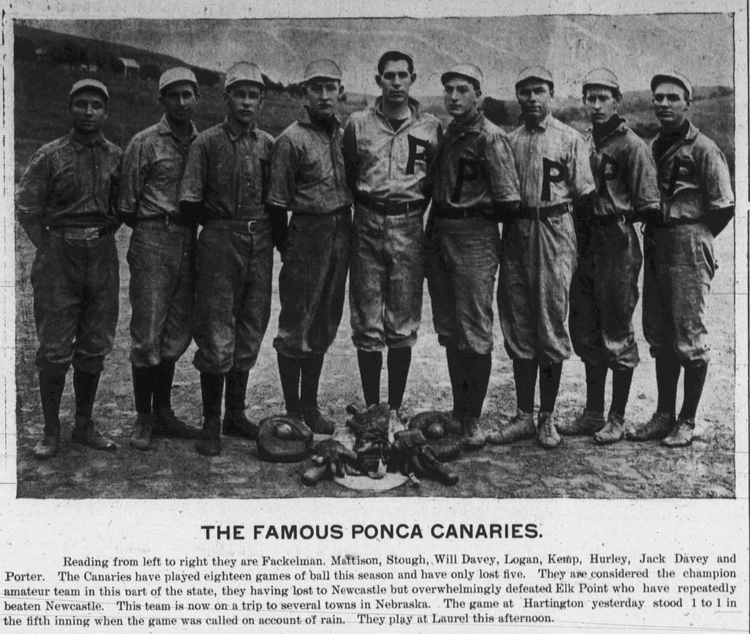
There he is! Herman, on the left, in this grainy scan of an ancient photograph.
All of this is such a delightfully rich picture of a man who was more than just an early 20th century house carpenter. He had dreams, wishes, and hopes. He chased fancies, took paths that became dead-ends, tried to figure out what he was doing with his life. Holding his tools, I remember that he wasn't just a man who built things; he was a real, living human, with a full life.
Jeannette
In 1903, Herman married a high school classmate of his, Jeannette Pomeroy.
Jeannette was the valedictorian of the class, a talented singer, and worked at the local newspaper, setting the typography in the presses. She was constantly in the same plays and performances that Herman was in, and music would remain a binding, shared joy in their lives.
Jeannette also turns out to have been quite a catch, for Herman, since her father was R. H. Pomeroy. A former civil war cavalryman, R. H. Pomeroy owned the town's flour mill, lumber mill, and bank, and was the county treasurer and county superintendent. He was an important man in Ponca, and a rich one.
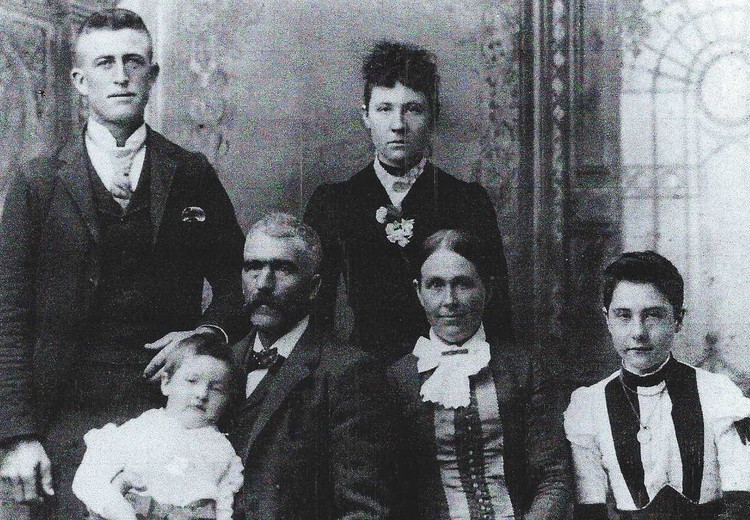
The Fackelman-Pomeroy wedding was an ornate affair and was big news in the Nebraska Journal-Leader. The Pomeroy mansion was draped in pink and white flowers as Jeannette, dressed in silk, married Herman. The paper describes Herman as "known to everybody in Ponca as a young man of strict integrity, good business ability, and sterling worth."
Shortly after their marriage, Herman starts building a home for them, "a neat brick cottage" at 218 W 3rd Street in Ponca. The house went up quickly, nearly finished in just 8 weeks, and was reportedly "one of the prettiest homes in Ponca."
It's not entirely clear how Herman had enough skill to build an entire home for himself. He likely learned a lot on the farm with his father, and probably learned a lot from working in the town hardware store. But he did not train as a carpenter in any formal sense.
Regardless, the home he built still stands in Ponca, and was, for a time, the museum for the Ponca Historical Society.
Pomeroy & Fackelman
A few months after Herman's wedding to Jeannette Pomeroy, he enters into a business partnership with his new brother-in-law, James R. Pomeroy, as they purchase the town's main grocery store and run it.
This is just speculation, but my read of this is that Herman's monied father-in-law stepped in to supply the capital and give Herman a steady line of work.
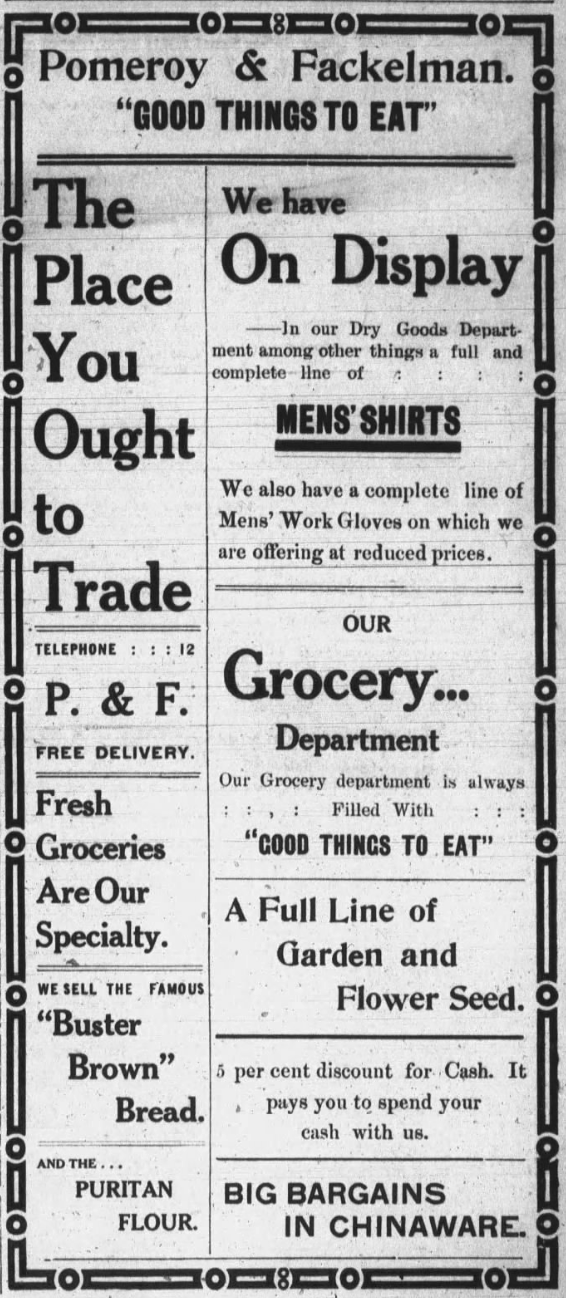
Pomeroy and Fackelman flourish as a business partnership. They advertise their new store heavily in the local paper, and the ads list out a broader and broader set of goods sold. In 1904 they sell "teas, coffees, canned goods and staple groceries... china and crockery." By 1908, they have a dry goods department selling shirts and work gloves, a full line of garden and flower seeds, "the famous Buster Brown bread" (whatever that is), and more, and deliver across the town.
Herman and Jeannette settle in together, and have three children in quick succession: Louise in 1905, Robert ("Bob") in 1906, and Lloyd in 1908. They live together in the house that Herman built with his own hands, and life seems good.
But then, suddenly, in 1910, shocking news! Herman Fackelman sells his stake to J.R. Pomeroy, leaving the grocery business. The paper reports that he was simply sick of working behind a desk, indoors:
Mr. Fackelman as yet has not announced his intentions, further than that he will seek out of door employment. His being confined in-doors did not altogether agree with his health, hence the change.
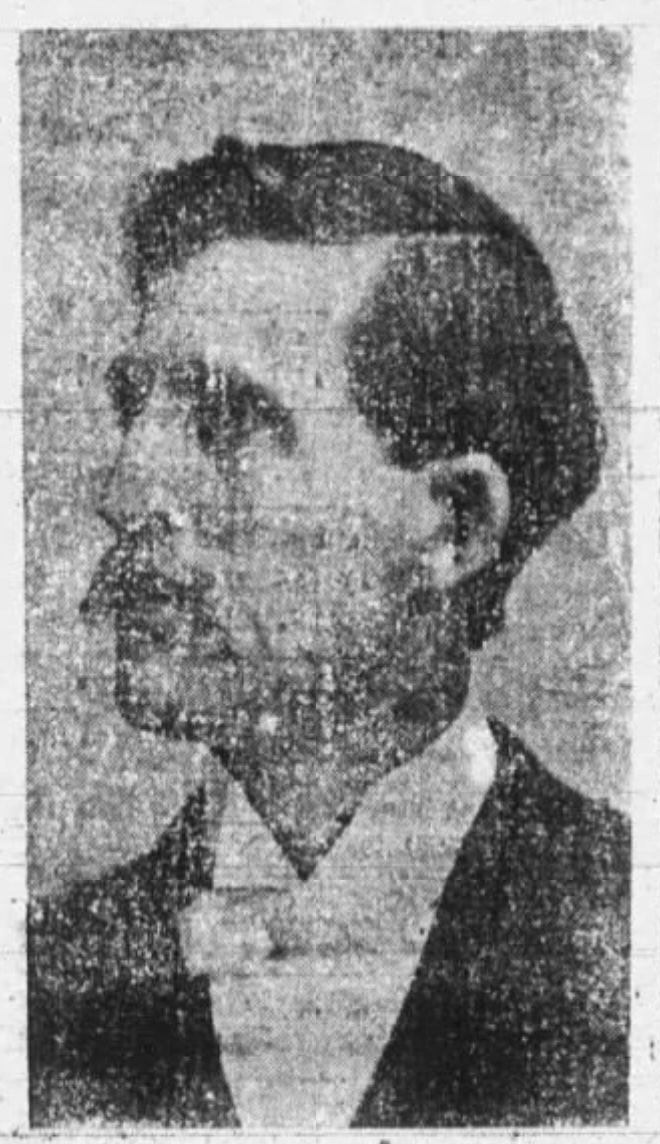
The news is a big enough deal in town to warrant a front-page article, and even includes a headshot portrait of Herman Fackelman! Finding this was a revelation. Here is the face of the man I've been chasing.
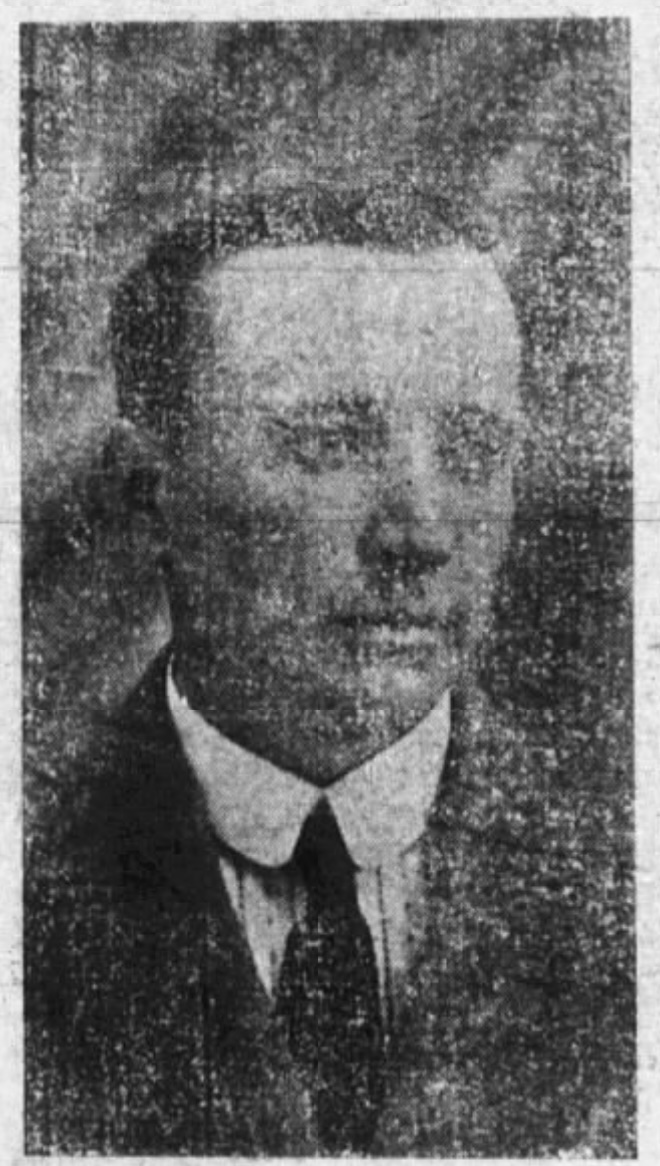
And this is where Fackelman's carpentry career begins, at the age of 36.
Fackelman's late career start surprised me greatly. Sure, Herman built his own home in 1903, when he was 28 years old. But he didn't start doing professional carpentry work, it seems, until 1911, and it was really a career change.
He does a few jobs: a shed in 1911, a home renovation in 1912. The business is not as brisk, but I hope Herman found it more invigorating than his life behind the desk. Something of his youth on the farm must have come back to him.
San Diego
In the summer of 1913, the Fackelmans suddenly pack up their belongings and leave Ponca, on an "indefinite visit" to California. They're traveling west in a large party: Herman's and Jeannette's parents are with them, as well as a doctor.
The reason for their trip is that Jeannette's health has rapidly gotten very poor. The newspaper describes it as "rheumatism," and says that the Fackelmans are leaving to hopefully help with Jeannette's health.
The Fackelmans settle and buy a cottage in San Diego, a small bungalow overlooking the bay. Jeannette writes a letter back home that is published in full in the Nebraska Journal-Leader. They are astonished by the climate, the beauty of the place, the lush gardens, and its startling modernity - with "autocars" and "electric lines" and roads that are "macadamized all the way."
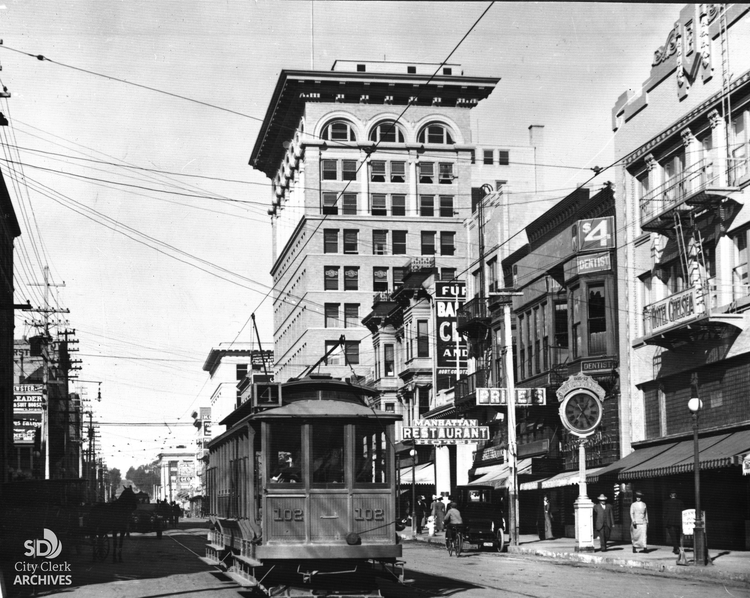
The contrast between the small farm town behind them and the modern, beautiful city must have been almost overwhelming. "We'll tell you of glories and never-ending summer when the frost is on the pumpkin and the fodder's in the shock back home," Jeannette writes.
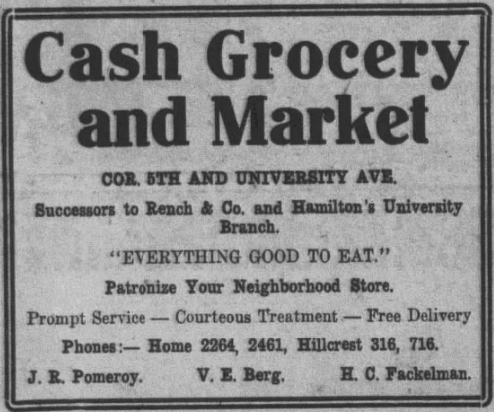
These boasts seem to pull along Herman's old business partner, J. R. Pomeroy. The week after this letter is published in Ponca, Pomeroy sells the Ponca grocery store, and in early 1914, J.R. moves out to San Diego too.
And so Herman and J. R. return to business, again selling groceries. Herman finds himself back indoors to work, but perhaps he can take some consolation in the improvements in his wife's health. Jeannette's parents take a train back to Ponca, while Jeannette writes of their life in California idyllically:
Now about our sunny clime. It is bringing us health, happiness and contentment. Prosperity may come, too, for "P. & F." are starting in with prospects to sell "Good things to Eat" to the San Diegans. We have a pleasant cottage two blocks from the store; brother Jim and his family are just a block from us, and Father and Mother Fackelman are happily settled in a little home a little over two blocks from us. And we're looking forward anxiously to the time when Father and Mother Pomeroy will be with us again. For after you've spent a winter in California, you can't help but come back.
Dark times
Then, in July, 1914, Jeannette suddenly falls "critically ill." The event shocks her family: she had been doing so well, and seemed so happy. Her parents rush out on a train, but there is seemingly nothing to be done: Jeannette Fackelman dies in San Diego at the age of 35, suddenly struck down.
Herman is now a widower, and a single parent to his three children, aged 9, 8, and 6.
The death slams into the families and hits Herman hard. He had known Jeannette from all the way back to their middle school days. I can only imagine that he must feel at this point that the trip to California was a failure; it was all to save her health, but she does not survive. As a single father, he would have leaned upon the help from his parents, but then his own mother dies too, in 1916. Herman's life, which had seemed so full of promise and uplift, is shattering apart.
The grocery store that he shares with J. R. Pomeroy collapses, and becomes insolvent; it will soon go bankrupt. Herman Fackelman gives up his stake in the business just before it folds, and leaves San Diego with his three children and his father, returning to Ponca in May of 1916.
Just a week after Herman leaves for Ponca, J. R. Pomeroy is dead suddenly. I can find almost no further information about this.
The lacuna around J. R. Pomeroy's death is both obvious and mystifying. The other Pomeroy children all have extensive obituaries, but J. R. simply gets a terse note in The San Diego Sun:
The death occurred at the family residence, 3769 Sixth street, June 1, of James R. Pomeroy, aged 46 years 5 months 7 days; he leaves a widow, Ann Pomeroy, and five daughters, Maurine, Gertrude, Carroll, Margarette, Genev and the father and mother, Mr. and Mrs. Robert H. Pomeroy of this city; also one sister, Mrs. Duane Bittenbender, residing at Northwestern, Cal. Funeral will be held from University Undertaking Parlors, 3757 Fifth street, Monday, June 5, at 2 o'clock.
Perhaps the brevity is because the San Diego Sun is a bigger paper, and a bigger obituary would be expensive, but the Pomeroys were rich. Perhaps the reason was something darker; did their San Diego grocery store fail completely because of some collapse into depression, or alcoholism, or gambling debts, or fraud? These are all baseless speculations, perhaps even irresponsible ones, and we'll never really know.
For Herman, J. R. Pomeroy's death must have had some impact. This was a man he had known and worked with for nearly a decade. But especially in the wake of all this other death - his wife, his mother - it must have felt like an avalanche.
As Herman returns to Ponca, he is hounded by creditors who demand he pay off the bankrupt grocery store's outstanding debts. He is embroiled in lawsuits that stretch across state lines, as Californians serve him with a notice all the way in Nebraska. The case was eventually resolved in the U. S. District Court of Southern California, in Fackelman's favor; he had responsibly handled his own obligations, and did not owe anything back to the plaintiffs.
And so, the chapter of Herman Fackelman's time in San Diego is closed. He left for California in 1913 to try to save his wife's health, and formed a beautiful life by the water, nestled close to his parents, reunited with an old partner. By 1916, his wife, mother, and business partner were all dead, and he was bankrupted, returning back to Ponca, Nebraska after the darkest period of his life.
The Pomeroy and Fackelman families would never be associated any further after this point. While before there were mentions of joint parties, classmates together in choirs, and cousins performing plays, those all vanish from the record. Some rift here was deep and permanent.
Return to Ponca
When Herman returns to his hometown of Ponca, he rents a house - he sold the one he had built - for his family, and starts work on his own as a carpenter. He builds smaller projects at first: a shed, a chicken coop. But in time, this business grows, and he is taking on home renovations, and larger projects.
In 1919, Herman remarries. This time it is not to a childhood sweetheart, or even someone who he knew at all from his youth, but to Jennie Schenck (née Magill). Jennie is 46 years old, has six children, and is recently widowed herself. Her husband, Al, was a farmer who died unexpectedly of pneumonia in 1916; Jennie has been scrabbling a living together and gradually selling off their farm assets. Al was sick for just eight days before he died.
I am struck that, even in a town as small as Ponca - barely a thousand residents - there are two widowed parents in their 40s with young children to take care of. Herman and Jennie's shared experience in this regard must have given them some common grief and struggle that helped them bond.
Jennie is a social bee who throws herself into social clubs, sends prize-winning pie recipes into the newspaper, organizes benefits for veterans, and is constantly mentioned as visiting various neighbors and relatives. She seems completely tireless and inexhaustibly social.
Herman, for his part, rarely accompanies her in these engagements. He comes if it is for family, but seems a quieter sort, and often stays home when Jennie goes to visit a friend a few towns over.
Herman, instead, is steadily building the houses and buildings that make up Ponca. He builds barns, extensions to homes, and then whole homes. He builds the parsonage for his Lutheran church, and a dentist office. Over the 1920s, he is prolifically building in Ponca.
Herman builds a reputation for doing high-end carpentry work. He has a small shop for some of the finer work that he does on windows and trim, but is equally capable of heading out to the countryside for rough work on barns and pens. He generally hires out a couple of unskilled laborers, but it seems he does the bulk of the carpentry himself.
Life seems to settle into a routine through the 1920s. His children grow up, and incredibly the Fackelmans manage to send all nine of their children to college. Almost all of them go to Midland College, a small school in Fremont, about 90 miles away, which makes visits easy.
The Great Depression hits Nebraska very hard, and business seems to slow for Herman in the 1930s. In 1931, Herman and Jennie move to Fremont, perhaps to find more business, or perhaps to be nearer to their children, many of whom stay in Fremont after college. Business doesn't dry up completely, as Herman continues to appear in permits, and is contracted to build homes back in Ponca from time to time. But it seems to slow.
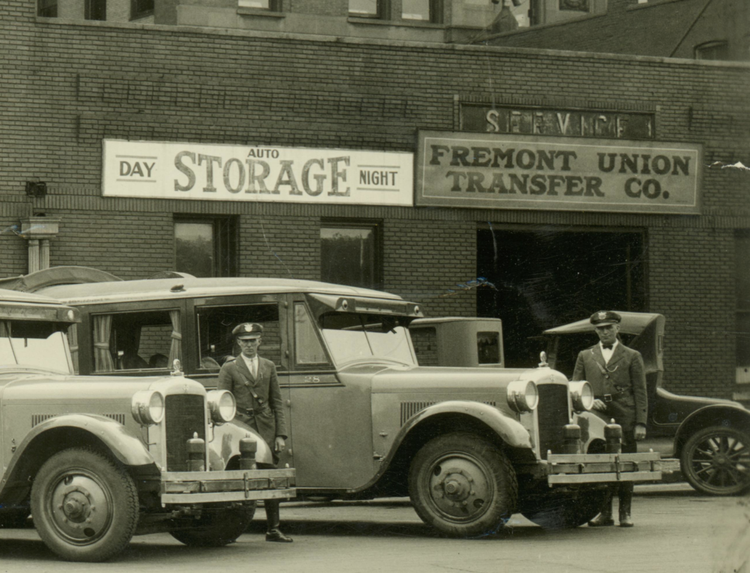
Jennie works briefly as an insurance agent, and then opens a home bakery for a few years; it is not clear to me whether the family is struggling to make ends meet or Jennie is merely industrious and energetic, but I suspect it is the latter.
Final years
In 1941, Herman and Jennie take an enormous 7,000-mile road trip from Nebraska to the west coast, down through California, to San Diego, into Mexico, and back home via Texas. The resonance is almost too neat: he goes back to California.
The last time Herman went west it was a desperate medical trip to save Jeannette. It failed, costing him his wife, his mother, his business partner, and his solvency. Now, in 1941, he drives back through it with Jennie, simply to see it, and to visit distant cousins and family members along the way in Oregon, Texas, and Los Angeles.
1941 happens to also be the year of the last carpentry work that Herman does - a small job, but the permit appears in the newspaper nonetheless. It's a notice that he'll be shingling the residence at 805 West 9th Street - that is, his own home. I can picture the 66-year-old man, back from his road trip, climbing onto his own roof to work.
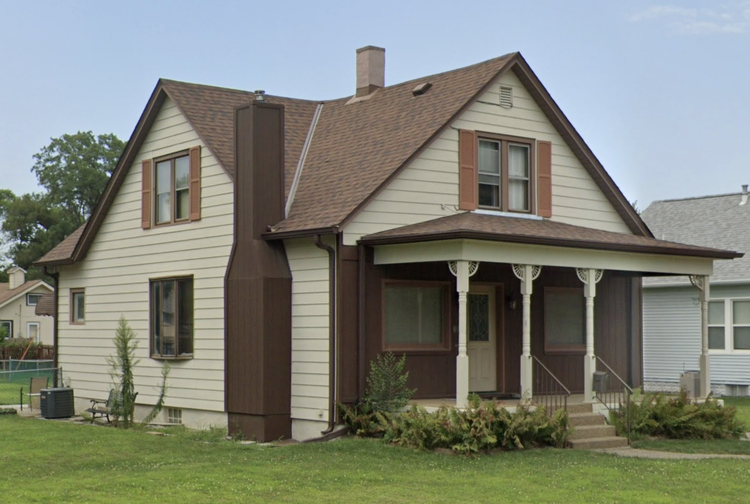
Herman declines in health in 1943, and he dies a few years later, in 1945, at the age of 69. He leaves behind Jennie, his three children, two grandchildren, and a career legacy of homes and buildings in his corner of Nebraska.
His eldest daughter, Louise, was a straight-A student who becomes a beloved high school teacher in Custer, South Dakota. She runs the glee club, puts on musicals, and organizes parades in town.
The middle child, Bob, waffles between becoming a musician or a journalist; he tours with a Missouri student band on a trip to Tokyo, Shanghai, and Hong Kong and is invited by a cruise company to continue but settles on journalism in the end, eventually buying and running a newspaper. He lives an adventurous life, bouncing from Texas to South America to Boston, until settling down at last in Florida.
Lloyd, the youngest son, goes to Georgia Tech and studies engineering before coming back home to Nebraska. He has an eclectic career including stints as a tire salesman, as a consulting engineer and architect, and as a city building inspector. Herman's tools were handed down to Lloyd, the most mechanically inclined of the children.
Back to the chest
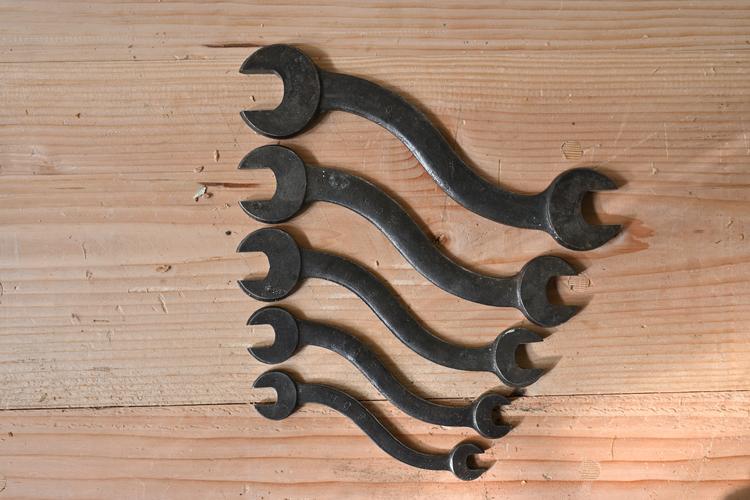
So many of the questions I had about the chest have answers. The farrier and blacksmith tools come from his childhood on his farm. The odd wobbly wrenches could be from the Logan & Fackelman bike shop. The "HCF" stamped on every tool makes sense as he hired laborers and helpers on an ad-hoc basis, so he probably needed to share tools with them.
In the small-town world of Ponca and Fremont, Nebraska, he needed to be a generalist, a do-it-all carpenter who could frame a barn, trim out a parlor, and repair a screen door. The breadth of his tools makes sense.
But more than the tools, I'm surprised how invested I became in his life - a life that seems small at first, but the closer you look, the more you can see. And holding this shingling hatchet of his, I can squint and see him up on the roof in 1941, re-roofing his home at the age of 66 after his trip back from California.